The Draw Is the Starting Gun for Bettors
For most sports fans, the race itself is the main event. For Greyhound Derby bettors, the draw is. The moment trap allocations are announced, the market shifts. Ante-post positions gain or lose value. Heat compositions reveal which groups look soft and which look lethal. Betting strategies that were theoretical become concrete. Missing the draw in real time means reacting to a market that has already moved — and in a thin-liquidity market like the Derby, the first movers capture the best prices. Stay updated at greyhoundderbydraw.
Knowing when each draw takes place, where to watch it, and how to access the information as quickly as possible is a practical requirement for anyone who takes Derby betting seriously. This guide covers every stage of the draw calendar, from the first-round allocation through to the final-night ceremony, along with the platforms that carry live coverage.
Where to Watch the Draw
The Greyhound Derby draw is broadcast through multiple channels, and the primary source depends on which round is being drawn.
For the first-round draw — the largest and most complex, covering all 32 heats — the announcement is typically published by the competition organiser and the host venue. Towcester Racecourse releases the full draw through its official website and social media accounts. The competition sponsor, which in recent years has been Star Sports, publishes the draw on its dedicated Derby microsite, usually accompanied by initial ante-post odds on each heat. These two sources are the fastest and most reliable for the first-round draw.
Subsequent round draws — rounds two through the quarter-finals — follow a similar pattern. The draw is published by the venue and sponsor after the conclusion of the previous round’s racing. Because each round’s draw depends on which dogs have qualified, the announcement typically comes within 24 to 48 hours of the last qualifying heat. The draw is not broadcast as a live event at these stages; it is published as a document or data release, distributed via the venue’s website, social media, and specialist greyhound media outlets.
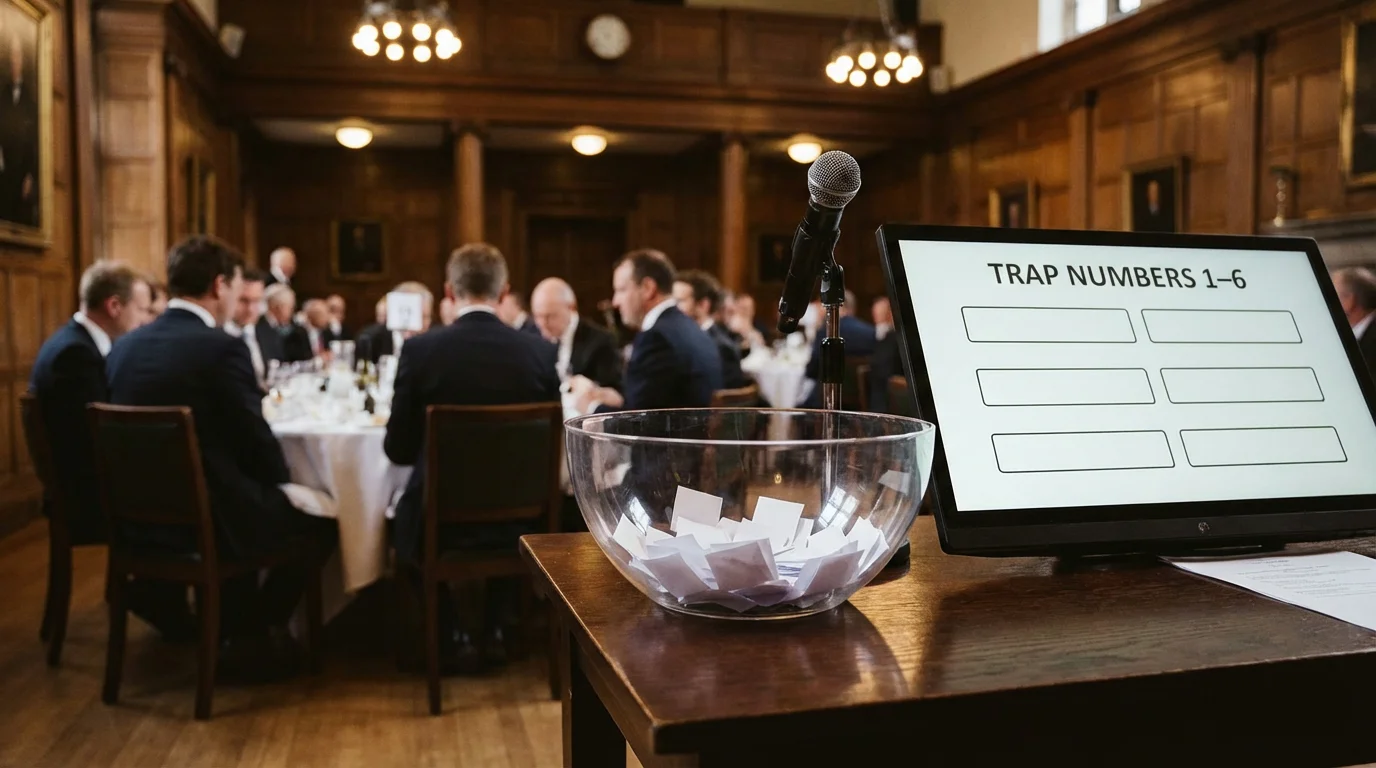
The semi-final and final draws receive different treatment. The semi-final draw is typically announced with more ceremony — often during a live broadcast segment on the competition sponsor’s stream — because it determines not just trap allocations but the composition of the two semi-final heats, which is the most market-moving information of the draw cycle. The final draw is conducted at the Derby Lunch, a formal event attended by connections, media, and industry figures. It is filmed and distributed through the sponsor’s channels and social media, and it is the single most-watched draw of the entire competition.
Streaming Platforms and Coverage
Live streaming of the Greyhound Derby — both the draws and the racing itself — is available through several platforms, with varying levels of access and coverage depth.
The primary streaming platform for Derby racing is the broadcast partner contracted by Towcester Racecourse. This partner handles the production and distribution of the live racing feed, including pre-race build-up, commentary, and post-race analysis. The feed is distributed to licensed bookmakers, who make it available to their customers through their websites and mobile apps. Access typically requires either a funded betting account or an active bet on the relevant race — the specific requirement varies by bookmaker.
Social media has become an increasingly important channel for draw coverage. Towcester Racecourse, the competition sponsor, and several specialist greyhound accounts broadcast draw announcements and initial reactions on platforms including X and Facebook. These broadcasts are free to access and do not require a betting account. The quality is typically adequate for hearing the draw results in real time, though it may lack the production values of the official broadcast feed.
Specialist greyhound media outlets provide another layer of coverage. Racing Post covers the Derby extensively, with live blogs during draw events and round-by-round reporting throughout the competition. Dedicated greyhound racing sites and podcasts provide analysis aimed at betting audiences, including draw breakdowns, heat assessments, and market reaction commentary. These outlets are particularly useful during the semi-final and final stages, when the smaller fields allow for detailed runner-by-runner analysis that the general sports media does not provide.
For bettors who want comprehensive coverage, the optimal approach is a combination: the official broadcast feed through a bookmaker for live racing, social media for real-time draw announcements, and specialist media for analytical depth. No single platform covers every aspect of the Derby draw cycle, but together they provide complete information with minimal delay.
Draw Schedule and Timing
The Derby draw schedule follows a predictable pattern, though exact dates shift year to year depending on when the competition is staged. The 2026 Derby is expected to follow a similar timeline to recent renewals, with the first round typically held in late May or early June.
The first-round draw is announced approximately one week before the opening night of heats. This gives connections time to plan their travel and preparation, and it gives bettors the first concrete market-moving information of the competition. The draw is usually published in the morning, with bookmaker prices following within hours. For bettors, the period between the draw publication and the full market response — typically two to four hours — is the most valuable window of the entire ante-post cycle. Prices during this window reflect the draw allocation but have not yet been refined by the full weight of market money.
Round-by-round draws follow the racing schedule. After the first round concludes on Saturday night, the second-round draw is typically published by Monday or Tuesday of the following week, with second-round racing on the Thursday to Saturday. This pattern repeats for rounds three and the quarter-finals. Each draw-to-race gap is approximately three to four days, giving enough time for the draw to be made, published, analysed, and bet upon before the next round of racing begins.
The semi-final draw is announced shortly after the quarter-final results are confirmed — usually within 24 hours. Because the semi-finals carry such significant market implications, the draw is published as an event rather than a routine announcement. Expect a live element, whether through the sponsor’s social channels or a dedicated broadcast segment.
The final draw takes place at the Derby Lunch, typically held on the Wednesday or Thursday before the Saturday-night final. The timing is deliberate: it allows two to three days of market activity between the draw and the race, giving bettors time to analyse, bookmakers time to adjust prices, and the media time to build narrative. The final draw is the last piece of new information before race night. Everything after that point — trial updates, paddock impressions, going reports — is supplementary.
For practical purposes, follow the venue’s official social media accounts and sign up for notifications from the competition sponsor’s website. These are the sources that publish first, and in a market where minutes matter, being among the first to see the draw gives you a tangible advantage over those who wait for secondary reporting.
Attending the Draw in Person
Most of the Derby draw stages are not public-access events. The round-by-round draws are conducted internally by the venue’s racing office and published digitally. There is no live audience, no ceremony, and no spectator access. These draws are administrative processes that happen to have enormous betting significance.
The exception is the Derby Lunch and final draw. This is a ticketed event, and it offers the only opportunity for members of the public and industry to witness the final draw in person. The Lunch is a formal occasion — suits and ties are standard — attended by the connections of all six finalists, the competition sponsor, media representatives, and invited guests. Tickets are available through the venue, though they sell out quickly in the weeks before the event.
Attending the Derby Lunch provides an experience that no stream can replicate: the atmosphere when each trap is drawn, the reactions of trainers and owners, and the informal conversations that reveal how connections genuinely feel about their dog’s allocation. This is not just hospitality. It is intelligence. A trainer whose face drops when his dog draws Trap 2 is telling you something that his post-draw interview may not. Connections who celebrate a wide draw are confirming what the seeding data already suggested — that their dog wants clear space and now has it. Also read our greyhound Derby live betting guide.
For those who cannot attend in person, the final draw coverage on social media and broadcast platforms captures the key moments. Camera angles on the draw itself, interview reactions from connections, and immediate market commentary provide the essential information within minutes. But if you have the opportunity to be in the room, take it. The Derby final draw is one of the few moments in greyhound racing where the sport’s competitive intensity, its betting dimension, and its social fabric converge in a single event — and reading the room gives you an edge that no screen can provide.
